

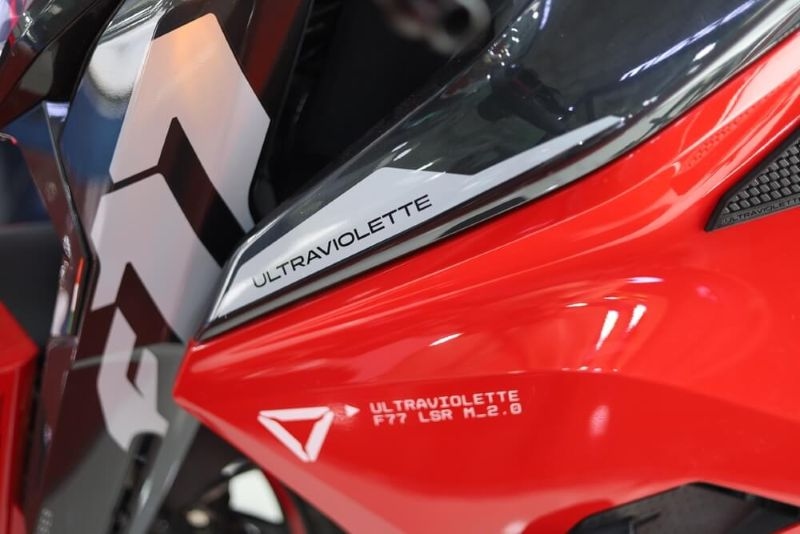
Electric motorcycles are not a fringe idea anymore. What felt experimental a few years back is now moving into regular roads, daily commutes, and even performance riding. 2026 feels like a turning point. Prices are still uneven, charging is not perfect, yet adoption is climbing anyway. Buyers are less curious, more serious now. They compare specs, range, torque — as they would with petrol bikes. And brands are responding fast, sometimes too fast.
In this blog, we’ll break down market trends, buyer insights, performance comparisons, plus a grounded electric motorcycle review for 2026.
Electric motorcycles in 2026 are better. Not perfect, but sharper, quicker, more usable. Earlier models felt like prototypes. Now they feel like products. Still, gaps remain.
Torque delivery is instant. That hasn’t changed, but refinement has. Throttle mapping is smoother; acceleration feels less jerky. Bikes like premium EV models now hit 0–60 mph in under 4 seconds. That puts them in direct competition with mid-range combustion bikes.
But top speed still varies. Some models are capped aggressively to save battery. So yeah, quick off the line — but not always built for long highway bursts.
Range anxiety hasn’t disappeared. It’s just quieter now. Most modern electric motorcycles offer 120–200 miles per charge under mixed riding. City riding gives more, highways reduce it fast.
Battery cooling systems have improved. Thermal management matters more than most buyers realize. Overheating reduces performance. Some brands handle it well; others still struggle.
Fast chargers exist in major cities across the USA. Rural areas? Still patchy. Home charging remains the primary method for most users.
Charging times:
That gap changes how people use these bikes. They’re daily machines, not spontaneous road trip tools, at least for now.
Must Read: Harley Tri Glide Ultra Die-Cast – Own This Iconic Model!
The EV bikes USA market isn’t exploding wildly — but it’s growing steadily. Controlled growth. Less hype, more adoption.
Sales have increased year-on-year, especially in urban states like California, New York, and Texas. Younger buyers are leading. Not just for sustainability, but for cost savings over time.
Fleet operators are entering the space, too. Delivery services, rental fleets — they prefer predictable maintenance costs. But hesitation still exists, mostly around resale value and battery life.
Federal and state incentives are driving more people to consider electric bikes. Stuff like tax credits, rebates, and even cheaper registration help offset the higher upfront price tag. But honestly, the rules change depending on where you live, and that throws a wrench into things—it slows down nationwide adoption.
Legacy motorcycle brands are not alone anymore. Startups are aggressive, experimental. Some succeed. Others vanish quietly. Competition is good, but also confusing for buyers. Too many options, not all reliable.
Top Pick: Comparison of the Harley-Davidson Sportster S vs Iron 883
Buying an electric motorcycle is not a simple upgrade. It’s a shift in how you ride, refuel, and maintain.
Now, let’s talk about running costs. Electric bikes are way cheaper per mile. Charging them costs less than filling up with gas, and maintenance is pretty painless. There aren’t as many moving parts, so you skip things like oil changes. If you stick with it, you’ll notice those savings pile up.
When it comes to riding, these bikes have instant torque. Acceleration feels sharp and totally silent. No gear shifts, nothing jerky. At first, it’s almost eerily smooth, but in city traffic, it makes everything easier—less fuss, less noise, barely any vibration.
But let’s be real—the drawbacks are serious. Range is limited, so planning long trips means you have to keep track of charging stops. That’s not for everyone. And charging isn’t nearly as quick as refueling.
Even the “fast” chargers take time, so riding far feels a bit less spontaneous. The upfront cost is another big hurdle. They do save you money later, but the starting price isn’t easy for some folks.
There’s no single “best” bike. Depends on what you want—speed, range, design, or brand trust. Still, a few names stand out.
Range is the biggest comparison point. Buyers obsess over it — for good reason.
Manufacturers quote ideal numbers. Real-world range varies.
So a bike rated at 180 miles might give:
That gap matters.
Two bikes with the same battery size can perform differently. Efficiency depends on motor tuning, weight, and aerodynamics. Heavier bikes consume more. Aggressive riding cuts range sharply.
Also Read: Yamaha MT-07 vs Z650 Showdown – Pick Your Perfect Naked Ride
Electric motorcycles in 2026 sit in an awkward but exciting place. They’re good enough for daily use, sometimes better than petrol bikes in cities. Yet they’re not fully free from compromise — range limits, charging delays, and upfront cost still exist. Buyers are learning to work around these, not ignore them. The market is maturing, slowly but clearly. Over the next few years, improvements in battery tech and infrastructure will matter more than flashy launches.
Pretty much. Most are built with waterproof parts and sealed batteries, so rain shouldn’t be a problem. Deep water or flooding? That’s risky for any bike. Always check what your manufacturer says before heading out in extreme conditions.
Usually, 5 to 10 years, depending on how you use and charge it. Batteries slowly lose capacity over time. If you take care (like avoiding running it totally dead all the time), you can stretch that lifespan.
Sure, but you have to plan ahead. You’ll need to map out charging spots before you go. The limited range and slower charging mean trips take longer than on a gas bike. It’s possible, just not as convenient right now.
Not really. They’re easier to maintain than regular bikes—no oil, fewer moving parts. The main thing is the electrical systems and battery checks; those are a bit specialized and usually handled by trained techs.
This content was created by AI